
Profession: Clinical Psychologist

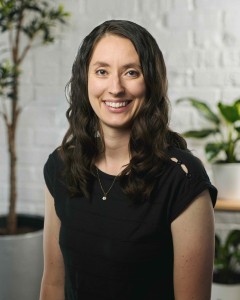
Dr. Long received training in Cognitive Behavioral Therapy for Insomnia (CBT-I) while working at Charlie Norwood VA Medical Center and has continued to integrate these evidence-based behavioral sleep interventions across hospital and medical settings throughout her career in rehabilitation and health psychology. Her clinical work focuses on the relationship between sleep, chronic medical conditions, neurological injury, pain, autonomic dysfunction, and emotional adjustment. Dr. Long utilizes CBT-I strategies within a holistic rehabilitation framework to help individuals improve sleep quality, daily functioning, coping, and overall quality of life while managing complex health conditions.
Read More...
CBT-I is one of my specialty areas that I find the most rewarding in my clinical practice. My office is located in NW Portland Oregon, and I am comfortable meeting with patients virtually when this it is necessary or otherwise preferred. I am licensed in both Oregon and California.
Read More...
Dr. Vanessa Roddenberry is a trauma and PTSD specialist with extensive experience in addressing insomnia. She completed intensive training in Cognitive Behavioral Therapy for Insomnia (CBT-I) through the Center for Deployment Psychology in 2011. With a deep understanding of how trauma and sleep disturbances are closely linked, Dr. Roddenberry effectively integrates evidence-based approaches to help clients improve their sleep and overall well-being.
Read More...
Dr. Norah Simpson is a licensed clinical psychologist who specializes in non-drug treatment of sleep disorders. She has been treating patients with behavioral sleep medicine approaches for over 15 years. Dr. Simpson is the training director of the APA-accredited clinical psychology postdoctoral fellowship program in the Department of Psychiatry at Stanford and also leads the behavioral sleep medicine fellowship track that is a part of the Stanford Sleep Health and Insomnia Program (SHIP). She is actively involved in clinical research and training of healthcare providers in behavioral sleep medicine approaches. Dr. Simpson treats adults and adolescents with sleep disorders, and has a particular interest in helping patients reduce/eliminate hypnotic medication with successful treatment of t ...
Read More...
Experienced sleep psychologist, treating insomnia and related disorders since 1985. I provide focused, pragmatic treatment, with both cognitive and behavioral components. Usually, I work via telemedicine (most states). I accept most insurances.
Read More...
Dr. Loomis received her PhD in clinical psychology from the University of Maine in 1996. She completed her internship at the Zablocki VA Medical Center in Milwaukee and practiced at Lutheran Social Services and Rogers Memorial Hospital in Wisconsin. She became interested in treating sleep disorders in 2006, and in 2007, she received a mini-fellowship sponsored by the American Academy of Sleep Medicine, which involved training at the New York Presbyterian Hospital in New York City. She received her
Certification in Behavioral Sleep Medicine in 2010, and her Diplomate in Behavioral Sleep Medicine in 2019. Dr. Loomis served on the board of the Wisconsin Psychological Association from 2004-2013, and was president of the organization from 2010-2011.
Read More...
My practice is limited to the behavioral treatment of sleep disorders including: insomnia, sleep phase disorders, nightmare disorders, and difficulties adapting to CPAP usage. I work with children (and their parents), adolescents, and adults. I have a special interest in working with patients whose sleep is compromised by chronic pain or chronic illness. i have worked with many patients who experience insomnia secondary to Long Covid. While my primary treatment approach is CBT-I, I also integrate elements of ACT (Acceptance and Commitment Therapy) and mindfulness based interventions into my patients' treatment plans, as indicated. I also treat hypersomnia and narcolepsy ( typically in coordination with a sleep physician) utilizing CBT-H.
Read More...
I am an Assistant Professor at the Yale School of Medicine and a Fellow of the American Academy of Sleep Medicine. I'm also the author of Become Your Child's Sleep Coach: The Bedtime Doctor's 5-Step Guide, Ages 3-10.
I've been treating people with insomnia with Cognitive Behavioral Therapy for Insomnia (CBT-I) for more than twenty years. CBT-I is a rapid and very effective treatment for insomnia and the results are lasting.
I also specialize in helping parents teach their preK and elementary-aged children to be great, independent sleepers.
Read More...
I am a licensed clinical psychologist with specialized training in neuropsychology and behavioral medicine. I enjoy using these skills to help adult clients clarify their concerns and put together a collaborative treatment plan. I offer CBT-I for insomnia, as well as CBT for related concerns such as trauma, anxiety, and attention problems.
Read More...
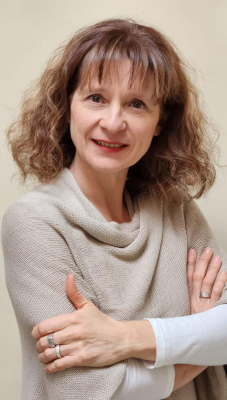
Licensed psychologist with 22 years of experience in sleep medicine. Trained in CBT-I at the Behavioral Sleep Medicine Program, University of Pennsylvania, and obtained a diploma in Behavioral Sleep Medicine in Colombia, endorsed by FLASS (Federación Latinoamericana de Sociedades del Sueño). A specialization in anxiety disorders further enriches her education, with a postgraduate degree in Cognitive Behavioral Therapy, and a postgraduate degree in Neuropsychology and Cognitive Psychology. Her expertise includes diagnosing, treating, and managing sleep disorders such as insomnia, narcolepsy, nightmares, and CPAP adherence in patients with sleep apnea. While she has contributed to the development of a digital tool for the treatment of insomnia in the USA and has trained and supervised psycho ...
Read More...
I have particular experience in supporting people living with chronic physical illnesses and associated complications including insomnia. I have previous trained and worked in public health roles in Chronic Pain and Diabetes services in NSW.
I hold a Master of Psychology (Clinical Psychology) from Western Sydney University and undergraduate qualifications from the University of New South Wales, Macquarie University and Monash University. I am a member of the Australian Psychological Society (APS), Australian Clinical Psychological Association (ACPA) and an Adjunct Fellow at Western Sydney University. I am also a Board Approved Supervisor and provide supervision services to psychology trainees and registrars.
Read More...